TRIDENT ELECTRIC PRO • ELECTRICAL SERVICE

Electrical Installation Services for Homes and Businesses

Adding new circuits, outlets, switches, lights, fans, or detectors? Trident Electric plans and installs new electrical work with safety and code in mind. Call us to talk through your project.

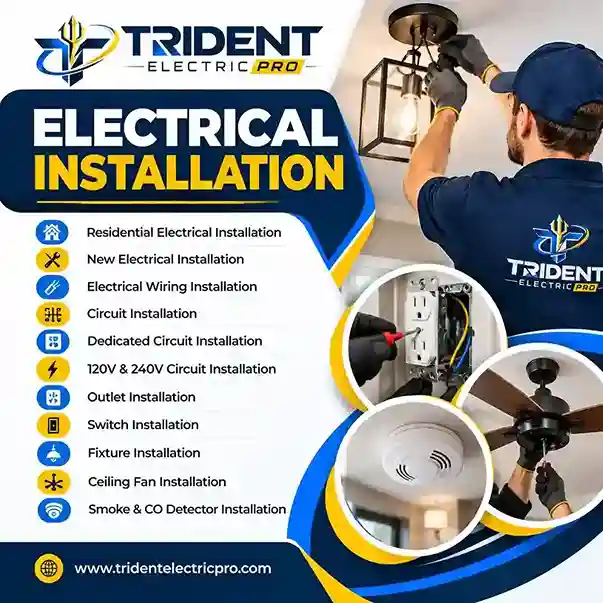
New electrical circuitsOutlets and receptaclesSwitches and dimmersLight fixtures and ceiling fansSmoke and carbon monoxide detector wiring
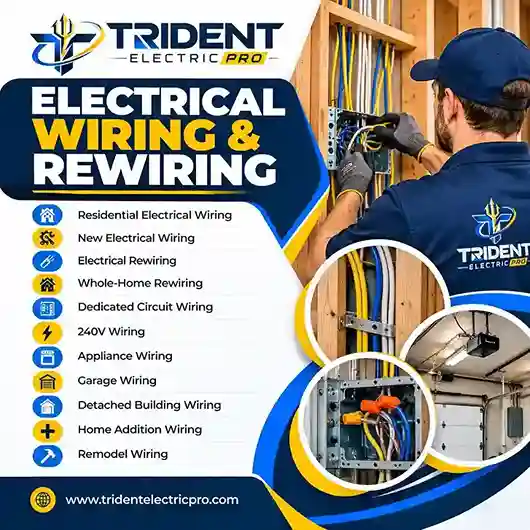
Trident Electric Pro new electrical installation work
Direct Answer

What does electrical installation include?

Electrical installation is the planning and adding of new electrical parts to a building. It covers new circuits, outlets, switches, lights, ceiling fans, detectors, and equipment hookups. A good installer checks the load, wiring, and protection first. Then they install the work and test it before handover.

Best fit: Any project where a new device, circuit, fixture, or machine must be wired in and connected correctly.

HomesBusinessesProperty managersRemodels and additions

Page reviewed October 2026.

At a Glance

Common new electrical projects and what to know first

Use this table to match your job to the work involved. Every property is different, so scope is confirmed on site.

Common installation projects, what they involve, and what to know first
ProjectWhat it usually involvesWhat to know first
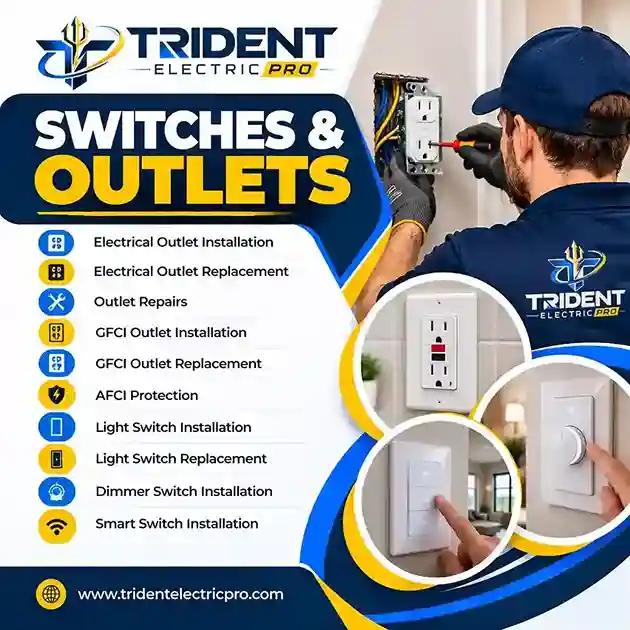
New outlet or receptaclePick a spot, run cable, set a box, and install the device.Some rooms need GFCI or AFCI protection under code.
Dedicated circuitAdd a breaker and a separate wire run for one appliance or machine.Check the equipment label for voltage and amps.
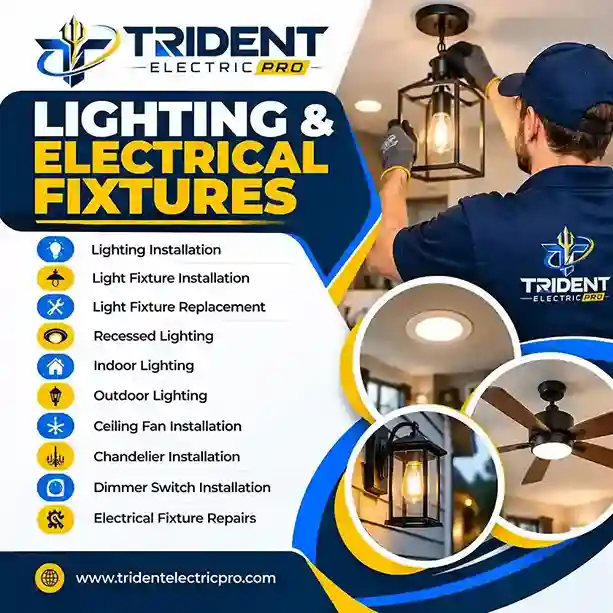
Light fixtures and recessed lightsMount the fixture, wire it, and set up switching.Ceiling access and fixture type change the scope.
Ceiling fanUse a fan rated box, secure the support, and wire the switch or control.A standard light box may not hold a moving fan.
Smoke and CO detectorsProvide power and interconnect wiring, then check placement.Alarm rules vary by city and state.
Switches and dimmersAdd or replace switches, three way setups, and dimmers.A dimmer must match the bulb type.
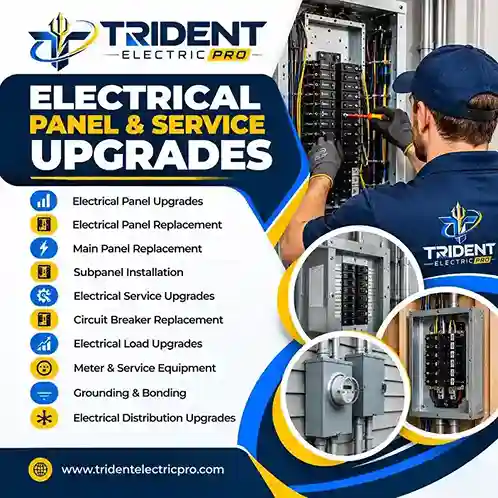
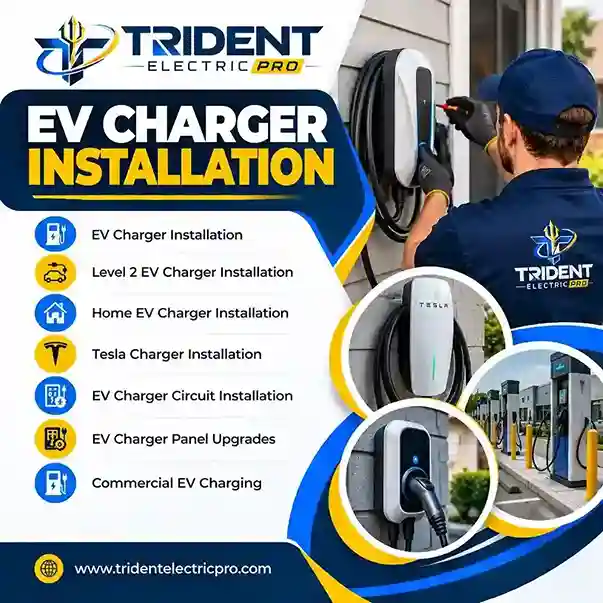
Equipment hookupConnect heaters, pumps, chargers, or machines.It may need a panel check or a disconnect.
Commercial tenant workAdd circuits, lighting, and equipment power for a build out.Plans and permits are often required.
Service Scope

Electrical work built around the actual project

New electrical parts work best when the circuit, wiring, protection, and load are planned together. Trident Electric handles this for residential and commercial jobs.

The right plan depends on your panel, your equipment, your wall and ceiling access, and local rules. Our service pages are sorted by job type, so you can find the closest match fast.

Rules, licensing, and permits vary by place. For a city or state page, use the service area directory.

What this service can cover

  • New electrical circuits
  • Outlets and receptacles
  • Switches and dimmers
  • Light fixtures and ceiling fans
  • Smoke and carbon monoxide detector wiring
  • Dedicated circuits for equipment
  • Electrical connections for additions
  • Commercial electrical installations
Residential and Commercial

Who we install for

Homeowners

Home projects often start small and grow. Plan new points before walls close, and you save time later.

  • New outlets in finished rooms
  • Kitchen, bath, and laundry circuits
  • Garage and workshop power
  • Outdoor and landscape lighting
  • Ceiling fans and new fixtures
  • Home office and media wiring

Businesses and property managers

Commercial jobs need clear scopes and good planning. We help keep spaces safe, lit, and ready to use.

  • Tenant build outs
  • Office and retail lighting
  • Circuits for machines and equipment
  • Dedicated outlets for workstations
  • Break room and storage power
  • Panel capacity checks for new loads
When to Call

Common signs you need new electrical work

These are starting points. They do not replace an inspection by a qualified electrician.

Adding a new appliance

A new load may need its own circuit. Using a shared circuit can trip breakers or overheat wiring.

Adding lighting

New lights may need fixture support, switching, wiring, and enough circuit capacity.

Finishing a room

Basements, garages, and attics need planned outlets, switches, and lights before walls close.

Too few outlets

Extension cords and power strips are a sign that a room needs more outlets.

Adding equipment

Heaters, pumps, and machines can have set voltage, amp, grounding, and disconnect needs.

Commercial build out

Tenant projects often need coordinated circuits, lighting, equipment power, and panel space.

How the Work Starts

A clear step by step process

01

Define the project

Share what you want added, where it goes, and how you will use it.

02

Review the system

Check your panel, circuits, access, equipment specs, and local rules.

03

Confirm the scope

Agree on the work, materials, and any permit steps before starting.

04

Install the work

Run wiring, set boxes, mount devices, and make equipment connections.

05

Test and walk through

Verify everything works as planned and fix any issues found.

Planning Your Budget

What affects the scope and price

No two buildings are the same. A fair price comes after the scope is clear. Ask for the scope in writing so you can compare it with any other bid.

  • Panel capacityA full panel may need space or an upgrade.
  • Wire distanceLonger runs need more material and time.
  • AccessFinished walls and tight attics add labor.
  • Number of circuitsMore points and more circuits widen the job.
  • Equipment needsHigh load gear needs matched wire and breakers.
  • Permits and inspectionsLocal rules can add steps and fees.
Code and Permits

Built to local electrical rules

Most U.S. areas base their rules on the National Electrical Code from NFPA. Cities and states often add their own changes.

GFCI protection helps guard against shock in wet areas like kitchens, baths, garages, and outdoors. AFCI protection helps lower fire risk from arcing faults in many living spaces.

Permits and inspections vary by location. Always confirm what your city or county requires.

Safety First

Do not DIY hazardous electrical work

Do not run new circuits, splice hidden wiring, or connect equipment to an unknown circuit. Load, grounding, and protection all matter.

Faults, panel work, high load equipment, wet areas, and concealed wiring call for a qualified electrician. If you smell burning or see scorch marks, turn off the power if it is safe and call for help.

Project Preparation

Helpful details to share

  • Property type and location
  • What you want added
  • The room, circuit, panel, or equipment involved
  • Your timeline and any remodel plans
  • Equipment model or specs, if you have them
  • Photos of the area, when safe to take
Hiring Tips

Questions to ask any electrician before you hire

These questions help you compare bids and avoid surprises.

  1. Are you licensed to do electrical work in my state or city?
  2. Do you carry insurance for the job site?
  3. Who pulls the permit and schedules the inspection?
  4. Can I get the scope and materials in writing?
  5. How will you test the work when it is done?
  6. How will you protect my floors, walls, and furniture?

Ready to talk? Call (855) 599-0507 and we will walk through your project.

FAQ

Frequently asked questions about new electrical work

Can you install a new electrical outlet?

Yes. Outlet work starts with the right location and circuit. The electrician then sets the box, runs the wire, and adds the device and any required protection. The exact steps depend on your existing system.

Does a new appliance always need a dedicated circuit?

Not always. It depends on the equipment, its electrical load, the maker instructions, and the circuit already in place. A qualified electrician can confirm the right setup.

Can this work be part of a remodel?

Yes. Remodels often add outlets, lights, switches, circuits, and wiring changes. It is best to plan them before the walls are closed.

What is included in new electrical work?

It can include new circuits, outlets, switches, dimmers, light fixtures, ceiling fans, detectors, and equipment hookups. The electrician also checks the load and wiring, then tests the finished work.

How long does new electrical work take?

A simple outlet or fixture can take a short visit. New circuits, panel work, or finished walls take longer. The scope and access decide the schedule.

Do I need a permit for new electrical work?

Often yes for new circuits, panel changes, and larger projects. Simple device swaps may not need one. Rules differ by city and state, so check your local requirements.

Can you add outlets to a finished wall?

Often yes. An electrician can fish wire through the wall or use another approved method. Wall type, attic or crawl space access, and circuit capacity affect the best option.

Can I put a ceiling fan on an existing light box?

Only if the box is rated to support a fan. A standard light box may not handle the weight and motion of a fan. An electrician can check the box and swap it if needed.

Do you handle commercial projects?

Yes. Trident Electric serves homes, businesses, and property managers. Commercial work can include new circuits, lighting, equipment connections, and tenant build outs.

Is it safe to do electrical installs myself?

Many electrical tasks carry shock and fire risk. Hidden wiring, new circuits, panels, and wet areas are best left to a qualified electrician. Local rules may also require a licensed contractor.

How do I get started?

Call (855) 599-0507 or use the contact page. Share your property type, location, and what you want installed. Photos of the area can help when it is safe to take them.
Get Started

Ready to add new electrical work?

Call Trident Electric at (855) 599-0507 to talk through your project. You can also check the service area directory for location pages.